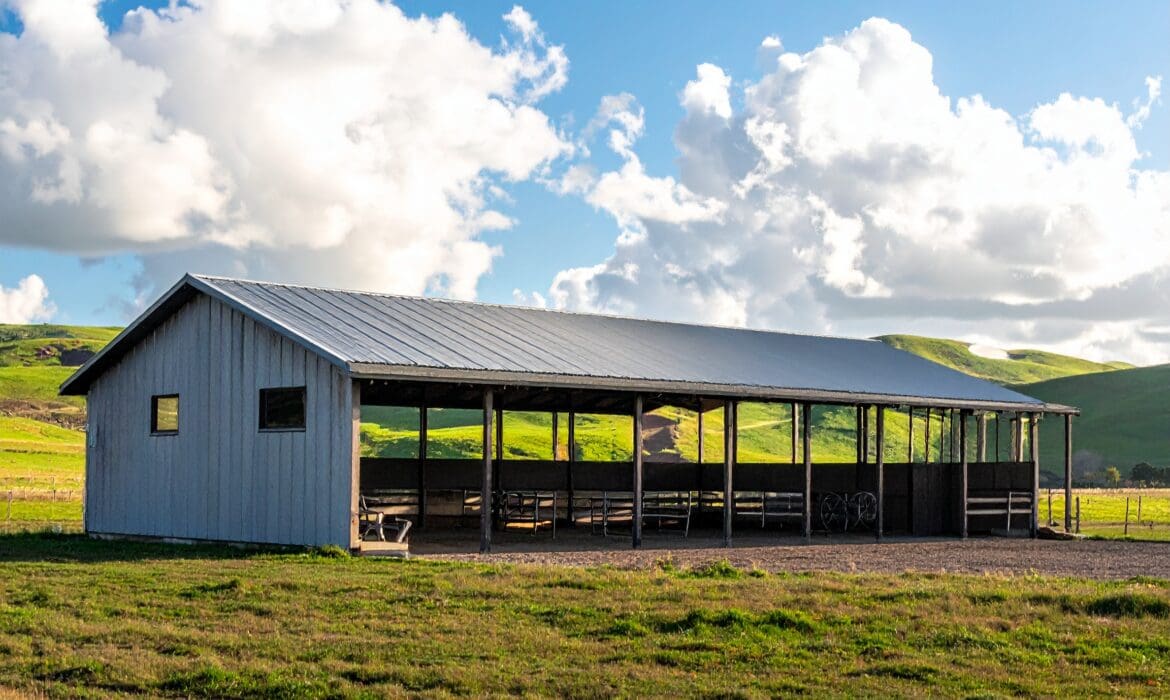
Post‑frame construction is one of the most durable and cost‑effective ways to build a horse barn. Learn why post‑frame works so well for equine facilities and how it delivers long‑term value across Oklahoma, Texas, Kansas, Missouri, Arkansas, New Mexico, and Colorado.
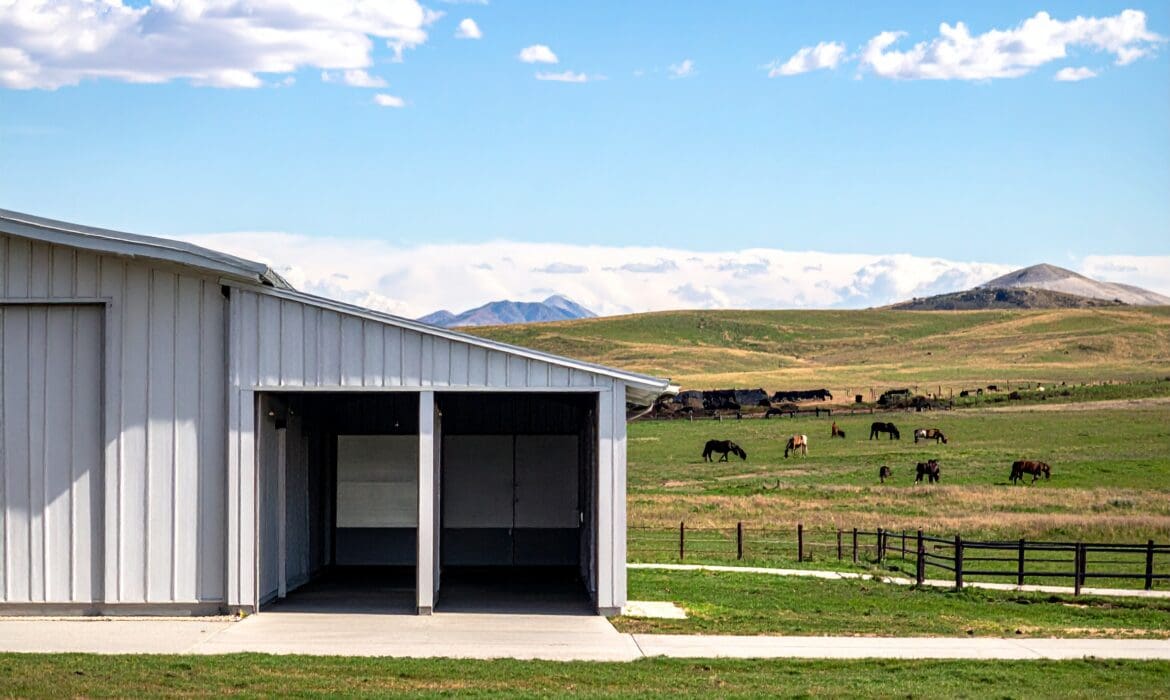
How Big Should a Horse Barn Be? Plan for Growth
Choosing the right size for your horse barn is essential for safety, comfort, and long‑term growth. Learn how to plan stall sizes, aisle width, storage space, and future expansion so your barn works for you for years to come.
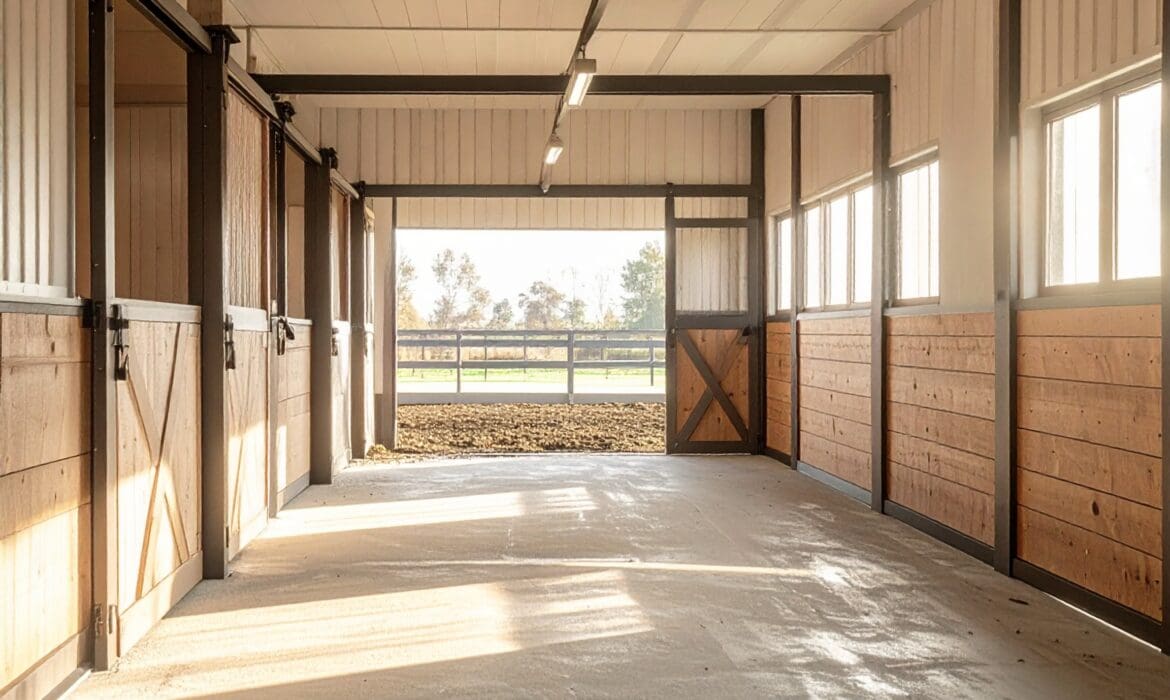
Safe Horse Stall Materials: Walls, Doors & Flooring
Good ventilation is essential for a healthy horse barn. Explore how airflow, natural light, and cleanable surfaces reduce dust, moisture, and odors while creating a safer environment for your horses.
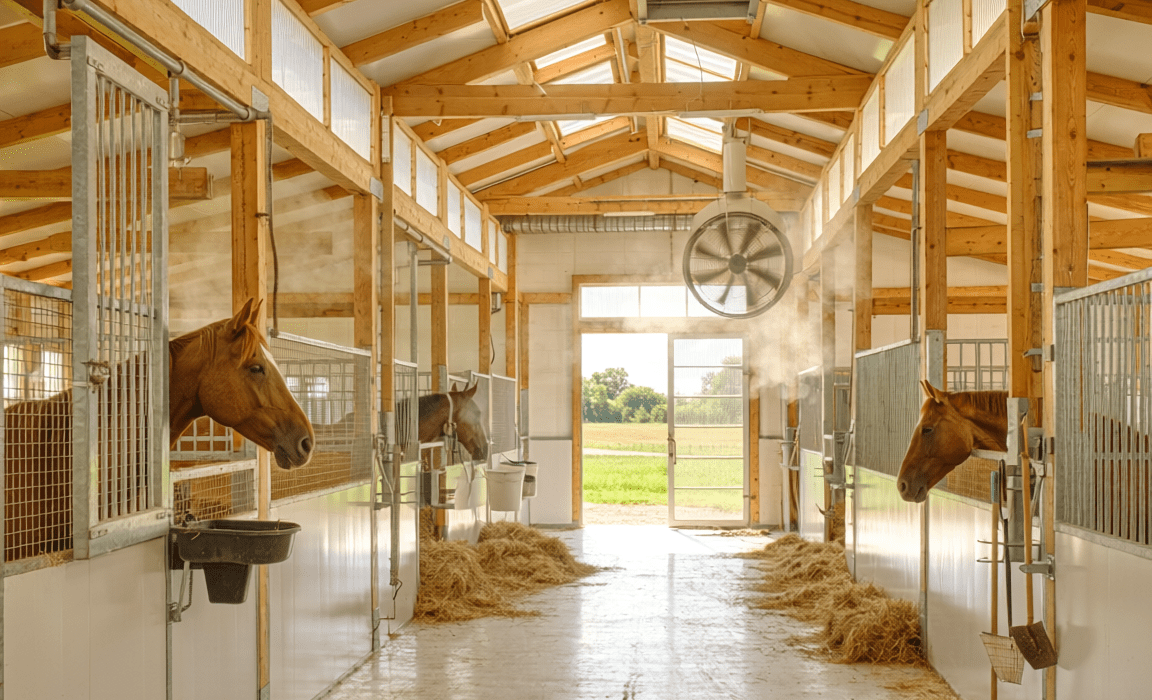
Horse Barn Ventilation: Airflow, Light & Cleanability
Good ventilation is essential for a healthy horse barn. Explore how airflow, natural light, and cleanable surfaces reduce dust, moisture, and odors while creating a safer environment for your horses.
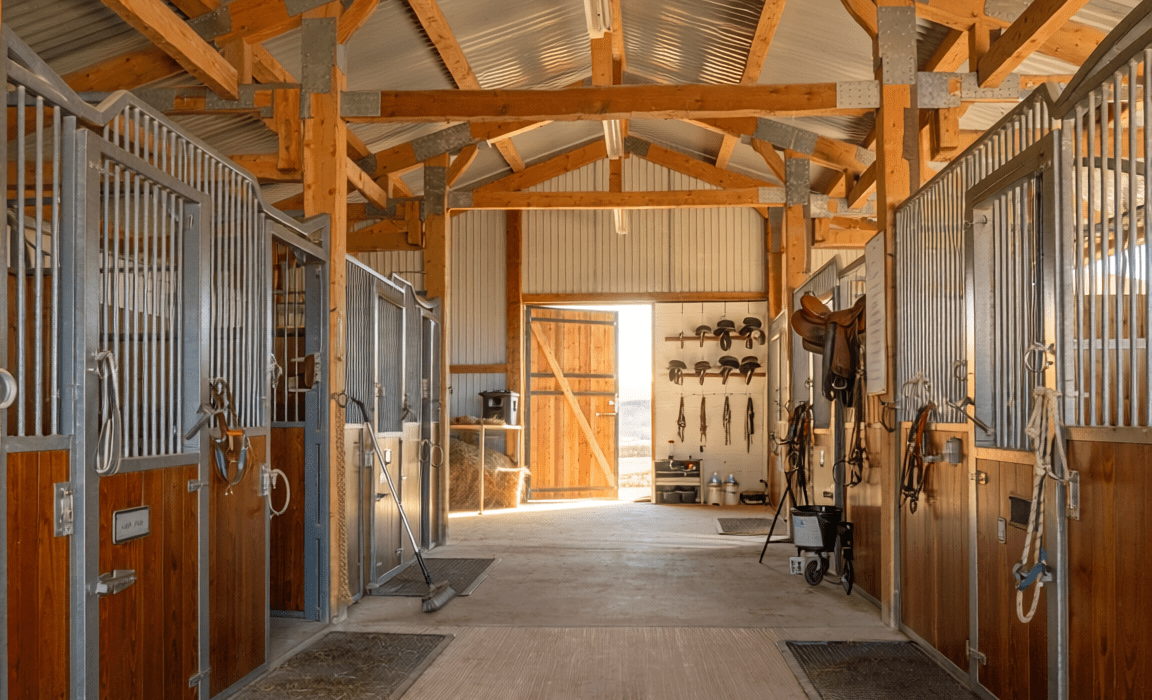
Horse Barn Layout Basics: Stalls, Aisles & Tack Rooms
Designing a functional horse barn starts with the right layout. Explore the basics of stall size, aisle width, and tack room planning to create a safe, efficient space for both horses and handlers.
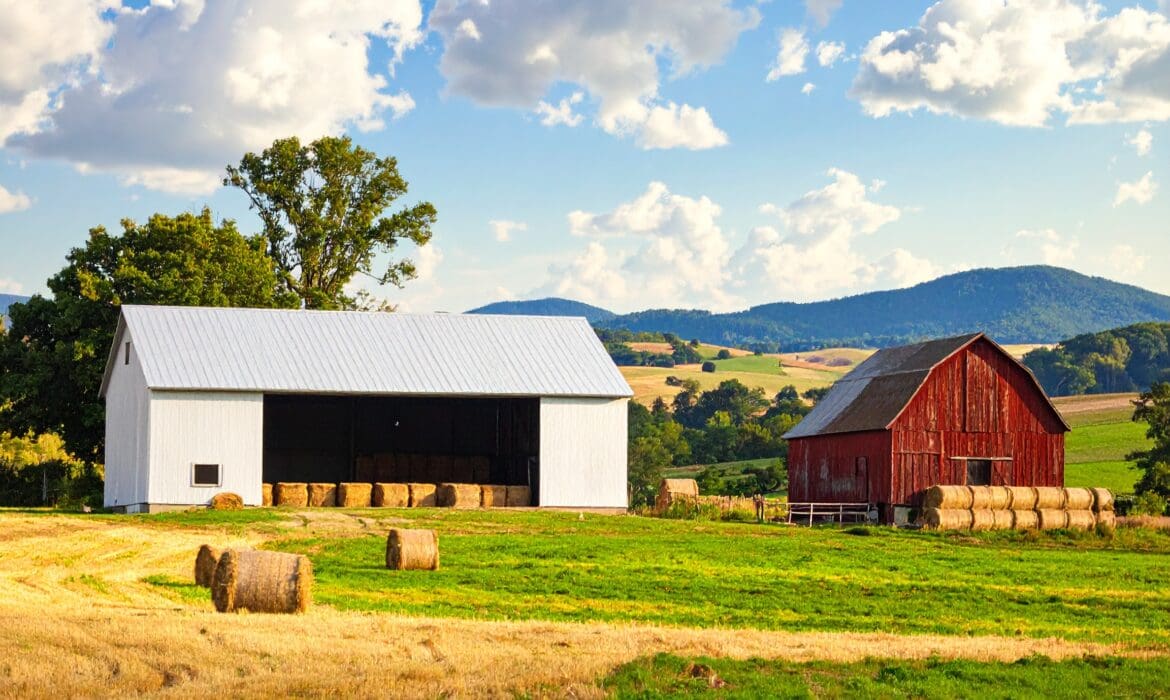
Pole Barn vs Traditional Barn for Hay Storage
Choosing the right barn style can make all the difference in protecting your hay. Explore the key differences between pole barns and traditional barns to see which offers better durability, ventilation, and long‑term feed protection.
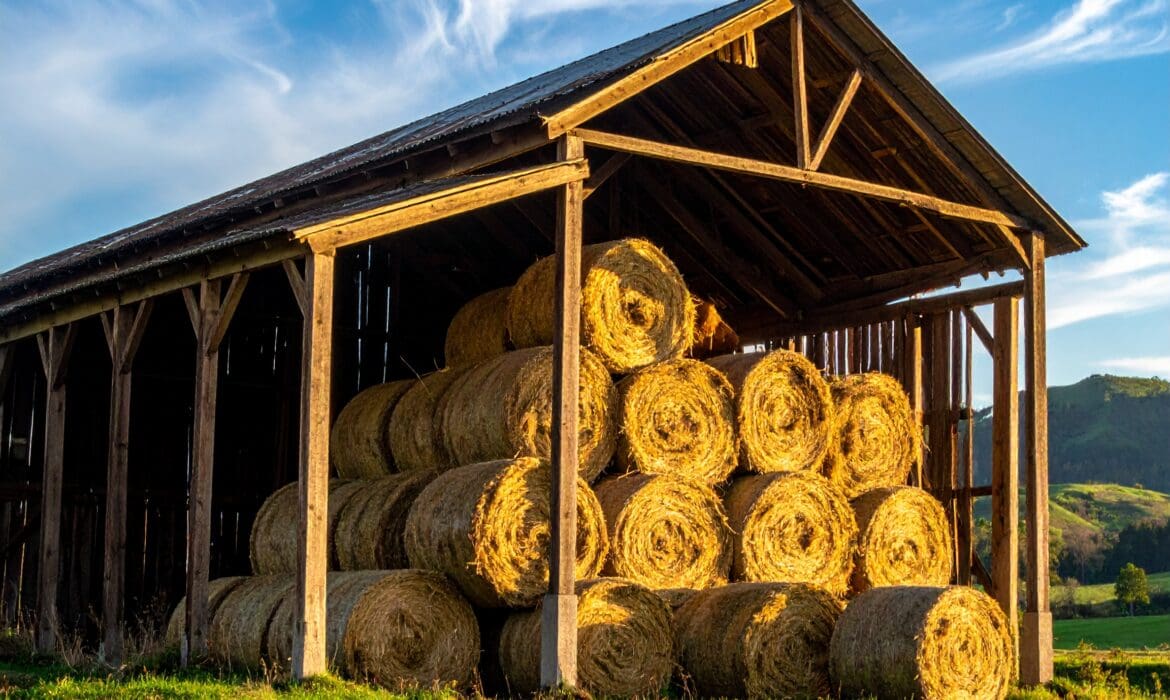
Hay Storage Mistakes to Avoid: Protect Feed & Reduce Waste
Protecting your hay starts with avoiding the most common storage mistakes. From ground moisture and poor ventilation to overpacking and roof leaks, small oversights can lead to mold, nutrient loss, and costly waste. Learn how proper storage—and the right hay barn—keeps your feed clean, dry, and ready year‑round.
Best Hay Barn Materials: Roofing, Siding & Maintenance Guide
Storing hay properly is critical for protecting its nutritional value, preventing mold, and reducing fire risk. One of the most important factors in long‑term hay preservation is choosing the right hay barn materials—especially for roofing, siding, and ongoing maintenance. The right materials can significantly reduce moisture problems, weather damage, and repair costs over time.This guide breaks down the best materials for hay barn construction, explains their advantages, and shares practical maintenance tips to help your barn last for decades.Why Hay Barn Materials MatterHay is highly sensitive to moisture and poor ventilation. Even small leaks or condensation issues can lead to:Mold...
How to Size a Hay Barn: Width, Height & Bay Layout
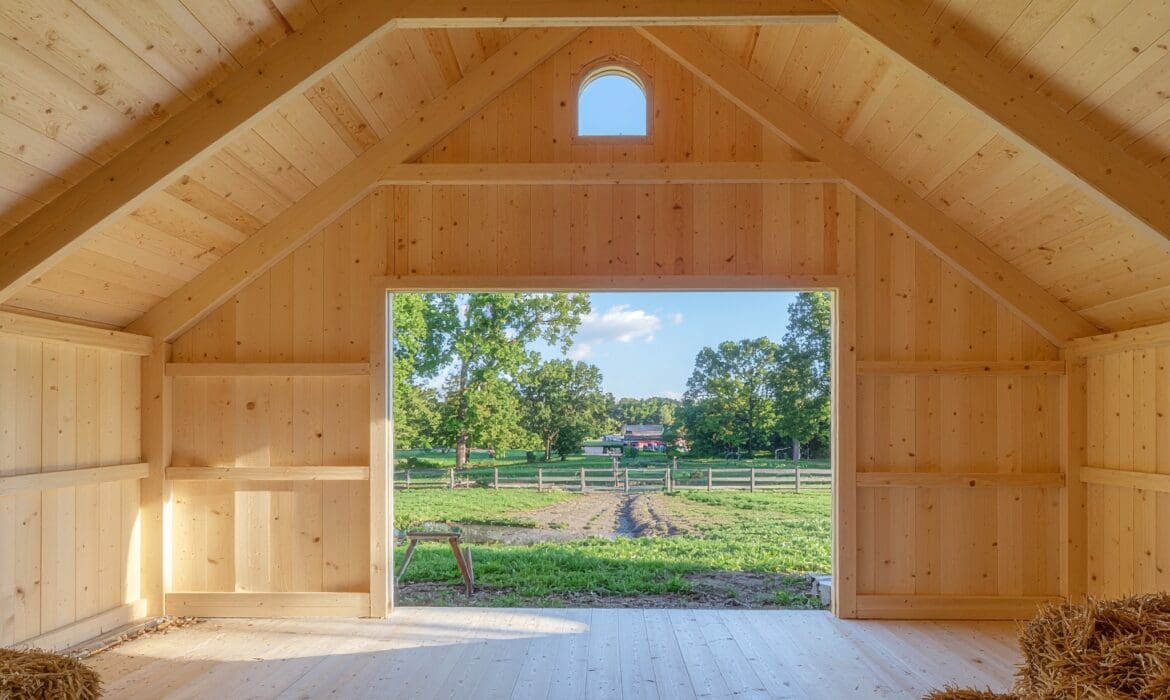
Learn how to size a hay barn correctly by choosing the right width, wall height, and bay layout to improve airflow, stacking efficiency, and equipment access.
Hay Barn Design: Ventilation, Access & Moisture Control
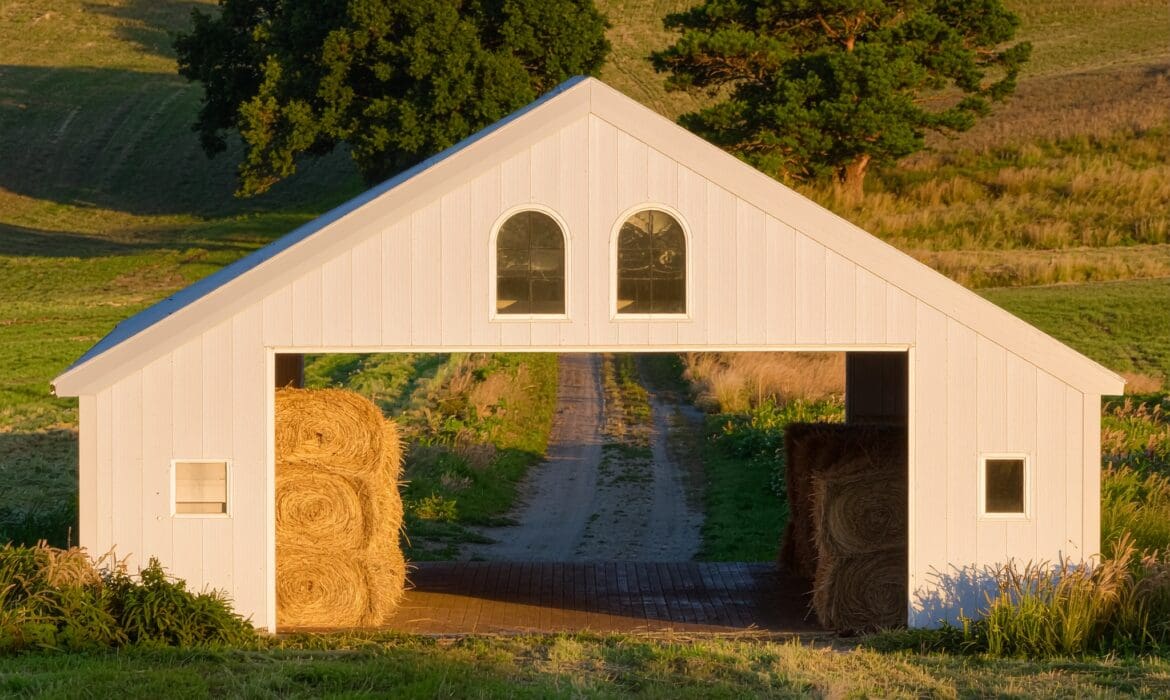
Hay is one of the most valuable assets on a farm, yet it’s also one of the easiest to lose to moisture, poor airflow, and improper storage. A well‑designed hay barn does more than keep rain off bales—it controls humidity, manages heat, and protects feed quality over time.This guide explains how proper hay barn design focuses on ventilation, access, and moisture control, and why getting these elements right protects both your hay and your investment.Why Ventilation Is Critical in Hay BarnsFreshly baled hay continues to release heat and moisture as it cures. Without adequate ventilation, this moisture becomes trapped, leading...